


Views: 0 Author: Site Editor Publish Time: 2026-06-09 Origin: Site


Have you ever tried wiping away a simple spill, only to make things worse? Attempting to clean an isolated spot often results in a larger, more stubborn water ring. You apply a cleaner, scrub the spot, and wait for it to dry. Yet, you return to find a massive, dark outline staring back at you.
These rings are rarely just water. They actually consist of concentrated hard water minerals. Sometimes, they are reactivated upholstery detergents left behind after evaporation. Moisture pushes these elements outward. The edge dries last, leaving a highly visible chemical deposit.
Treating sofa fabric requires a controlled, phased approach. Aggressively applying chemical upholstery cleaners will usually exacerbate the issue. We will show you exactly how to remove these marks safely using science-backed extraction methods. You will learn to control saturation, balance pH levels, and execute proper blotting techniques.
Saturation control is critical: Over-wetting drives stains deeper; successful removal relies on targeted dampening and extraction.
Water quality matters: Tap water introduces new minerals; distilled water is non-negotiable for spot treatment.
pH balance dictates safety: White vinegar is effective for mineral deposits but can permanently damage specific fibers if not neutralized.
Consult manufacturer codes first: Proceeding without verifying standard upholstery codes (W, S, W/S, X) voids warranties and risks permanent fabric distortion.
Before applying any solvent, you must assess the risk. Randomly spraying water onto furniture causes thousands of DIY disasters every year. You must first understand the chemistry behind the stain. Then, you must decode the manufacturer's care tag.
Why do water rings form? Conventional cleaners often push dirt outward. When you apply a liquid to a localized area, it acts as a vehicle. It dissolves embedded soil and leftover soap residue. The liquid spreads outward from the center. As the moisture evaporates, it leaves the dissolved materials at the very edge of the damp zone. This creates the expanding "ring effect." To reverse it, you cannot just add more soap. You must dissolve the ring and physically extract the minerals.
Every piece of upholstered furniture carries a standardized care tag. Look under the cushions or along the bottom frame. This code tells you exactly what solvents are safe. Ignoring this tag voids your warranty. It also risks permanent shrinkage or color bleeding.
Cleaning Code | Meaning | Action Plan for Water Stains |
|---|---|---|
W | Water-based cleaners only | Safe for distilled water and mild soap. You can proceed with DIY extraction safely. |
S | Solvent-based cleaners only | High risk for DIY water removal. Water will shrink or stain these fibers. Requires dry cleaning solvents. |
W/S | Water or Solvent blend | Spot-test heavily. It typically tolerates mild, highly diluted water-based solutions. Proceed with extreme caution. |
X | Vacuum only | Zero liquid tolerance. Adding any moisture will destroy the piece. Immediate professional escalation required. |
Not all materials handle acidic solutions well. White vinegar is excellent for dissolving hard water minerals. However, it can destroy delicate fibers. You must verify your specific sofa fabric type before mixing your cleaning solution.
Chart: pH Tolerance by Fabric Type | ||
Fabric Category | Vinegar (Acidic) Tolerance | Key Cautions |
|---|---|---|
Microfiber | Safe (with caution) | Highly durable. Tolerates mild acid well. Susceptible to heat damage. |
Tightly Woven Synthetics | Safe (with caution) | Polyester blends resist acid damage. Requires immediate water rinsing. |
Standard Cotton | Safe (with caution) | Can tolerate diluted vinegar. Always spot-test for colorfastness first. |
Silk & Velvet | High-Risk / Do Not Use | Acid destroys the pile and protein structure. Leaves permanent texture damage. |
Wool & Rayon | High-Risk / Do Not Use | Prone to rapid shrinkage and dye bleeding when exposed to acidic liquids. |
Leather | High-Risk / Do Not Use | Protein-based materials dry out and crack under acidic treatments. |
Successful stain extraction requires discipline. You do not need harsh industrial chemicals. You only need a few precise items. Using the wrong tools will embed the stain deeper. Here is your minimalist tool stack.
Distilled Water: This is your primary solvent. Tap water guarantees a secondary stain. It contains dissolved calcium, magnesium, and trace metals. When tap water dries, these minerals stay behind. Distilled water acts like a magnet for dirt because it contains zero minerals.
Distilled White Vinegar: This acts as an acidic breaking agent. It dissolves hard water mineral deposits. It breaks the chemical bond between the fabric and the stain.
Mild Dish Soap (Optional): Keep this nearby for persistent stains. Sometimes water rings mix with organic spills like coffee or sweat. Mix one teaspoon of soap per two cups of distilled water.
White Microfiber Cloths: Always use pure white cloths. Colored rags often bleed dye into upholstery when exposed to solvents. Microfiber is highly absorbent and traps microscopic dirt particles effectively.
Soft-bristled Upholstery Brush: Moisture flattens fibers. A soft brush helps restore the original texture after drying.
Hairdryer (Cool Setting only): Rapid drying prevents the wicking effect. You must dry the damp area quickly to stop deep dirt from traveling up to the surface.
Professionals often debate the best application method. Should you mist the surface or blot it directly? For beginners, we highly recommend direct cloth application. You dampen the cloth, then press it into the upholstery. This prevents accidental oversaturation. Oversaturation is the leading cause of DIY cleaning failures.
We reserve spray bottles only for experienced users. Professionals use them to apply a uniform micro-mist over large areas. If you lack experience, pouring liquid into a spray bottle often results in heavy puddles. Stick to dampening your cloth first.
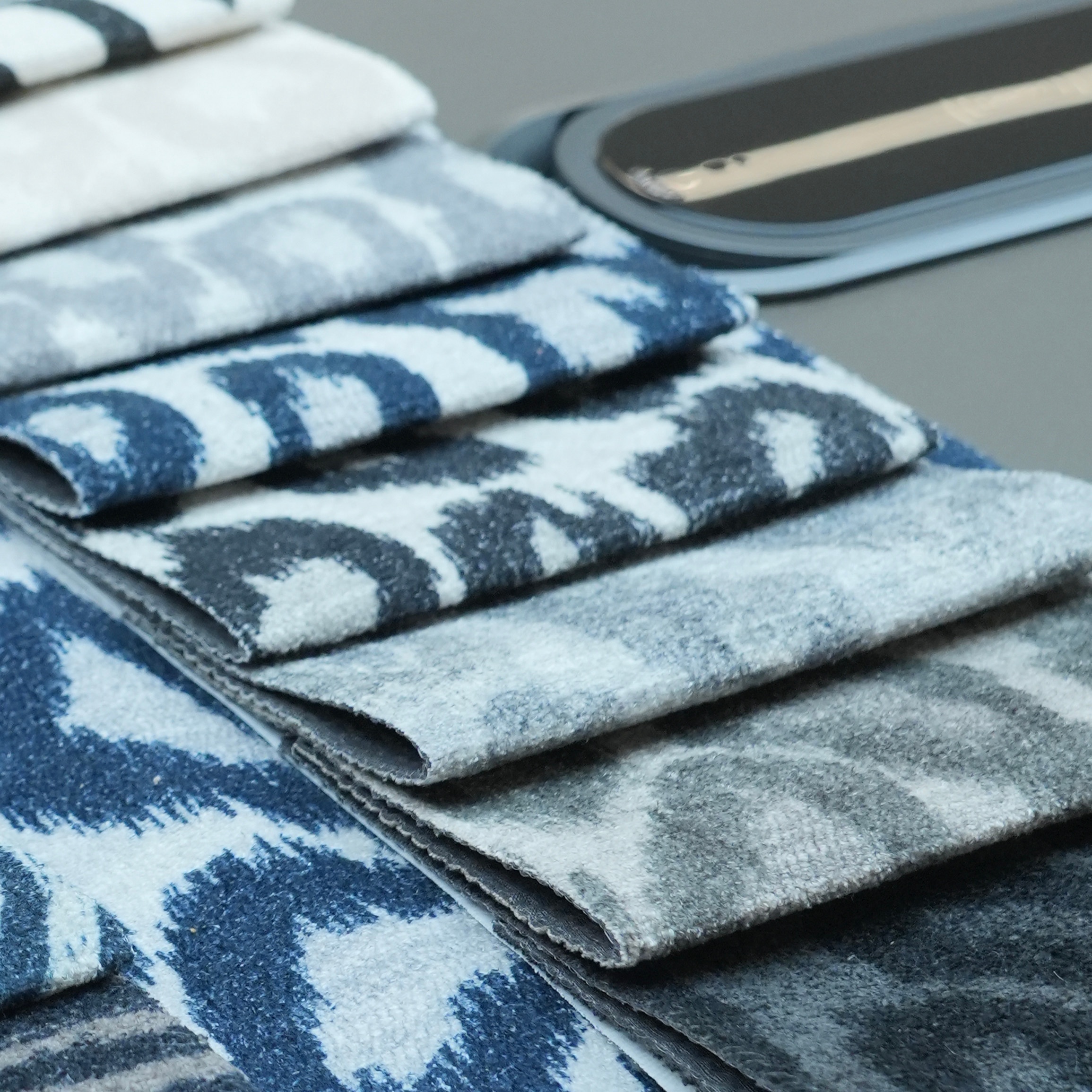
Execution matters more than the cleaning solution itself. You must follow these phases sequentially. Rushing the process will lock the stain into the fibers permanently. Treat your sofa fabric gently throughout each step.
Never add liquid to a dusty surface. Thoroughly vacuum the entire cushion first. Couches collect dead skin cells, pet dander, and household dust. Applying liquid to dusty upholstery creates mud. This mud sinks into the backing material. It sets the stain permanently. Use an upholstery attachment. Use slow, overlapping vacuum strokes.
Mix your breaking agent. Combine equal parts white vinegar and distilled water in a small bowl. Lightly dampen a clean, white microfiber cloth in this mixture. Wring out all excess liquid. The cloth should feel barely damp.
Execution rules are strict here. Work strictly from the outside edge of the ring inward. This technique prevents the stain from spreading wider. Dab and press firmly. Never scrub or rub the surface. Rubbing destroys the fiber structure. It causes permanent pilling and fuzzing.
Once you treat the perimeter, let it sit. Wait for 5 to 10 minutes. The acid needs dwell time. It must dissolve the rigid mineral bonds holding the stain together.
You cannot leave vinegar in the material. It will attract future dirt and degrade synthetic threads. Switch to a fresh, clean cloth. Dampen this cloth only with pure distilled water.
Press firmly into the previously treated areas. You are lifting the vinegar and the dissolved minerals out of the textile. Rotate your cloth frequently. Always use a dry, clean section of the towel. Keep pressing until no more dirt transfers onto the white microfiber.
You must extract the remaining moisture immediately. Grab a completely dry microfiber cloth. Press it heavily into the damp spot. Push your body weight into your hands. Extract maximum moisture into the dry towel.
Next, apply your hairdryer. Keep it strictly on the "Cool" setting. Hold the nozzle 6 to 8 inches away from the surface. Sweep it back and forth continuously. Do not hold it in one spot. Quick evaporation stops deep moisture from wicking upward and bringing new soil to the surface.
The internet is full of terrible cleaning advice. Many popular hacks destroy furniture instantly. Avoiding mistakes is just as important as following the correct steps. Here are the most common DIY failures we see in upholstery restoration.
Many viral videos suggest using toothpaste to scrub away water marks. This is a disastrous idea. Toothpaste contains titanium dioxide. This ingredient leaves a permanent white residue behind. Toothpaste also contains mild abrasives and bleaching agents. These chemicals will strip the dye right out of your furniture. You will replace a temporary water mark with a permanent bleached bald spot.
Patience wears thin during the drying phase. People often turn their hairdryers up to the maximum heat setting. Using high heat on synthetic blends like polyester is catastrophic. The plastic fibers will melt together. Heat causes permanent shrinkage and singes the top layer of the textile. You cannot reverse heat damage. Always use the cool air setting.
Never trust a chemical blindly. You must verify colorfastness. Find a hidden zipper seam or the underside of a cushion. Apply your vinegar solution there first. Wait ten minutes. Press a dry white cloth against it. If any color transfers to your towel, stop immediately. Your dye is unstable. Skipping this test ruins entire cushions daily.
Do not expect a miracle on the first pass. Heavy mineral rings usually require multiple attempts. You might need 2 to 3 repeated cycles of the extraction protocol. Do not resort to one heavy-handed soaking. Soaking drives the problem into the foam cushion underneath. Multiple, highly-controlled light cycles are far safer and much more effective.
Sometimes, DIY methods reach their technical limits. You must know when to stop experimenting. Continuing to treat a stubborn stain often leads to irreversible structural damage. Professional intervention becomes necessary under specific conditions.
Evaluate your situation carefully. Outsource the job if you meet any of the following criteria:
Code Restrictions: The piece features an 'S' or 'X' manufacturer code. You cannot use water safely.
Persistent Stains: The ring persists after three cautious DIY extraction cycles. This indicates deep cushion contamination.
Texture Damage: The fibers exhibit texture changes. If the spot feels stiff, crunchy, or heavily matted after initial treatment, stop.
Complex Odors: The water stain is accompanied by complex organic odors. Spills involving pet accidents, milk, or food broths require enzymatic extraction. Vinegar will not neutralize heavy biological odors.
Not all cleaning contractors are equal. Do not hire someone who simply drags a generic carpet cleaner over your furniture. Ensure the contractor uses specialized upholstery tools. They must utilize pH-balanced extraction methods. Their equipment should allow for pressure regulation and heat control tailored specifically to delicate textiles. Ask them how they handle moisture recovery before booking them.
Treating water stains on a couch is an exercise in restraint. The hardest part is fighting the urge to scrub the spot aggressively. Success comes from utilizing pure solvents like distilled water. You must respect fabric chemistry by checking pH levels. Finally, you must employ gentle mechanical action through careful blotting.
Rushing the process guarantees failure. By controlling the moisture, you prevent the stain from spreading further. Your immediate next step is simple. Walk over to your furniture and check its care tag right now. Verify your cleaning code before you gather a single supply.
A: Conventional cleaners cause a chemical push effect. The liquid dissolves embedded dirt and leftover detergent residue. As it spreads outward and evaporates, it deposits this concentrated soil at the very edge. This creates a larger, darker ring. You must extract these residues, not just wipe them around.
A: Pure white vinegar smells dissipate completely once the material is fully dry. This usually takes a few hours with proper ventilation. If a mild odor lingers, sprinkle dry baking soda over the area. Let it sit for 30 minutes, then vacuum it away.
A: Yes. Using a wet/dry vacuum is an excellent pro-tip for reducing drying time. Ensure the nozzle is completely clean before pressing it against the furniture. Regulate the suction appropriately to avoid stretching the threads. This method extracts deep moisture far better than towels alone.


